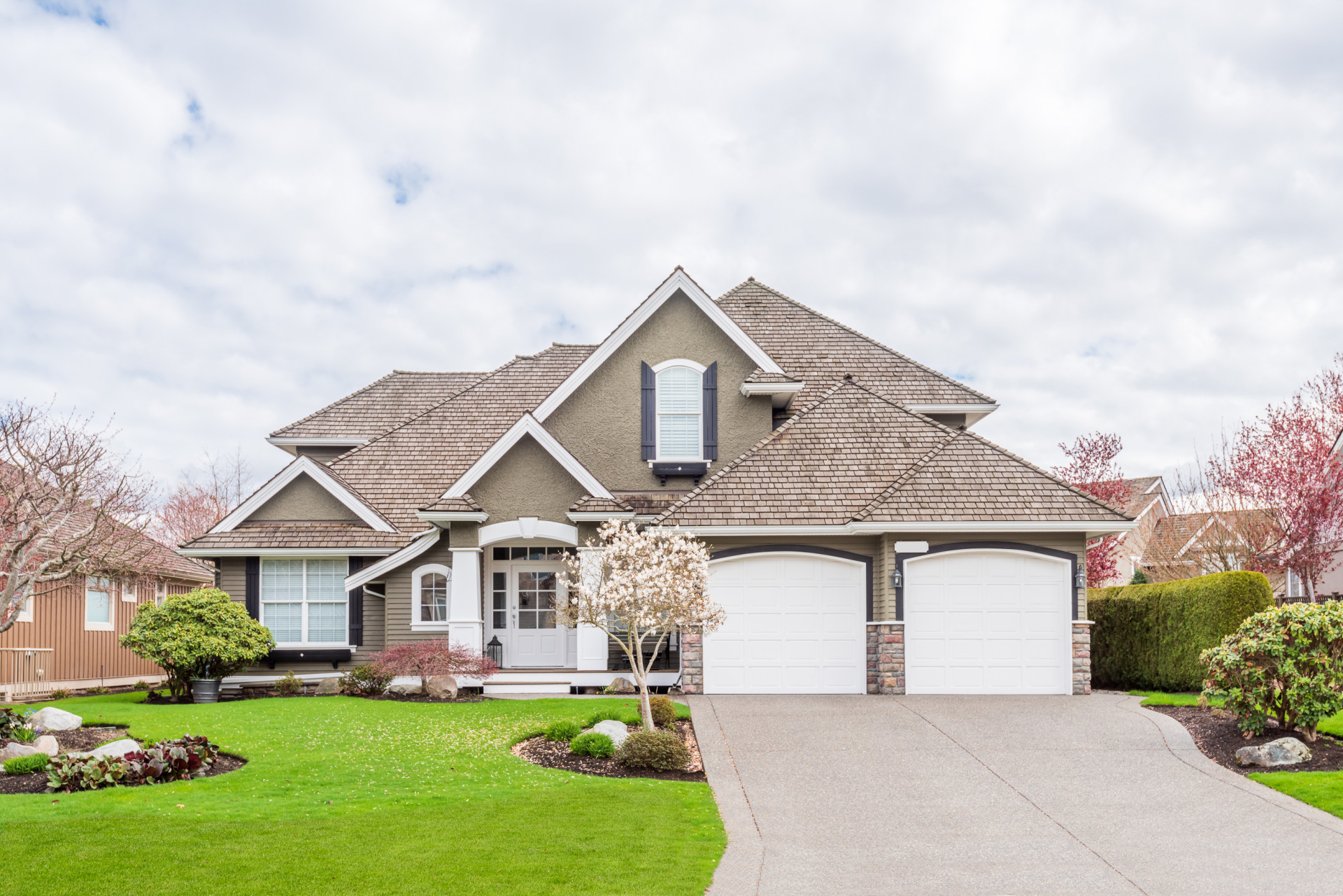
Renovation loans can help Michigan homebuyers and homeowners finance home improvements as part of their mortgage. When purchasing a home, eligible renovation costs may be included in the financing used to buy the property. Homeowners may also be able to refinance their existing mortgage and include funds for eligible renovations in the new loan. This can provide a way to make improvements without paying the entire renovation cost out of pocket.
A renovation loan combines the financing for the home and eligible improvements into one mortgage. Instead of basing the financing only on the home's current condition, certain renovation loan programs may consider the property's expected value after the planned improvements are completed.
For a purchase, this can allow a buyer to finance an eligible home and planned renovations together. For homeowners, renovation financing may also be available through a refinance, allowing eligible improvements to be included in the new mortgage. Renovation funds are generally set aside and released as approved work is completed.
Depending on the renovation loan program and the project, financing may be available for a wide variety of improvements, from necessary repairs to updates that make a home work better for you.
Kitchen & Bathroom Updates
Remodel kitchens, update bathrooms, replace cabinets, countertops, fixtures, and other eligible finishes.
Major Home Repairs
Address items such as roofing, plumbing, electrical systems, HVAC, windows, and other eligible repairs.
Additions & Structural Improvements
Depending on the program, renovation financing may be available for additions, structural changes, or reconfiguring the home's existing space.
Energy & Accessibility Improvements
Certain programs may allow improvements that increase energy efficiency or make a home safer and more accessible.
Making a House Your Home
Renovation financing can also help buyers consider homes they might otherwise pass over because they're outdated or need work. Instead of finding a home where everything has already been done, you may be able to finance eligible improvements and make the home your own.
1. Plan the Improvements
Whether you're purchasing or refinancing, we'll start by talking through the improvements you want to make and which renovation loan options may fit your project.
2. Get Contractor Estimates
The planned renovations generally need to be documented with bids or estimates from qualified contractors so the scope and cost of the work can be reviewed.
3. Appraise the Home With the Improvements
Depending on the loan program, the appraisal may consider the home's expected value after the planned renovations are completed—not simply the property in its current condition.
4. Close on the Renovation Loan
Once the loan is approved and closed, the funds designated for eligible renovations are generally placed into an account to be used for the approved work.
5. Complete the Renovations
Renovation funds are typically released in stages as approved work is completed and verified. Once the project is finished, you get to enjoy the home you envisioned in the first place.
There are several types of renovation financing, and the right option depends on the property, the improvements you plan to make, and your individual qualifications. We’ll help you compare the available options and understand which may fit your project.
FHA 203(k) Renovation Loans
FHA 203(k) financing allows eligible borrowers to combine the purchase or refinance of a home with the cost of qualifying repairs and improvements in one FHA-insured mortgage. Different 203(k) options may be available depending on the scope of the renovation.
Conventional Renovation Loans
Conventional renovation financing may also allow qualified borrowers to include eligible improvement costs in a purchase or refinance loan. These programs can offer another option for borrowers and properties that fit conventional financing guidelines.
Which Renovation Loan Is Right for You?
You don’t need to know which program you need before you call us. Start with the home and the improvements you have in mind. We’ll look at the property, your renovation plans, and your overall financing goals to help you understand the options that may be available.
Yes. Depending on the loan program and borrower eligibility, a renovation loan may allow you to finance both the purchase of the home and eligible improvements with one mortgage.
Yes. Renovation financing may also be available through a refinance, allowing eligible renovation costs to be included in the new mortgage.
Certain renovation loan programs may consider the property's expected value after the planned improvements are completed. The appraisal process and allowable loan amount depend on the specific program and its guidelines.
Not necessarily before your first conversation with us. However, renovation programs generally require detailed bids or estimates from qualified contractors before the loan can be completed.
This depends on the loan program and the type of work being completed. Many renovation programs require work to be performed by qualified contractors, and restrictions may apply to do-it-yourself projects.
Eligible property types vary by program. Renovation financing may be available for certain primary residences and other eligible properties, depending on the loan program.
The money designated for renovations is generally held after closing and released as approved work is completed. The exact draw and inspection process varies by program.
You don't need to figure that out before getting started. We'll look at the property, planned improvements, your qualifications, and your financing goals to help you compare the renovation loan options that may be available.